Smart Water Management System

Water is one of the world’s most valuable resources, and managing it efficiently has become a critical requirement for industries, municipalities, commercial facilities, and water treatment plants. A Smart Water Management System combines advanced sensors, industrial IoT gateways, cloud platforms, and real-time analytics to provide complete visibility into water distribution, treatment, storage, and consumption processes.

By continuously monitoring key water parameters such as pH, conductivity, flow rate, pressure, tank levels, chlorine concentration, and water consumption, organizations can make informed decisions, reduce water losses, improve operational efficiency, and ensure regulatory compliance.

Whether managing a municipal water network, an RO plant, a wastewater treatment facility, or an industrial water system, a Smart Water Management System delivers actionable insights that help optimize water resources and reduce operational costs.

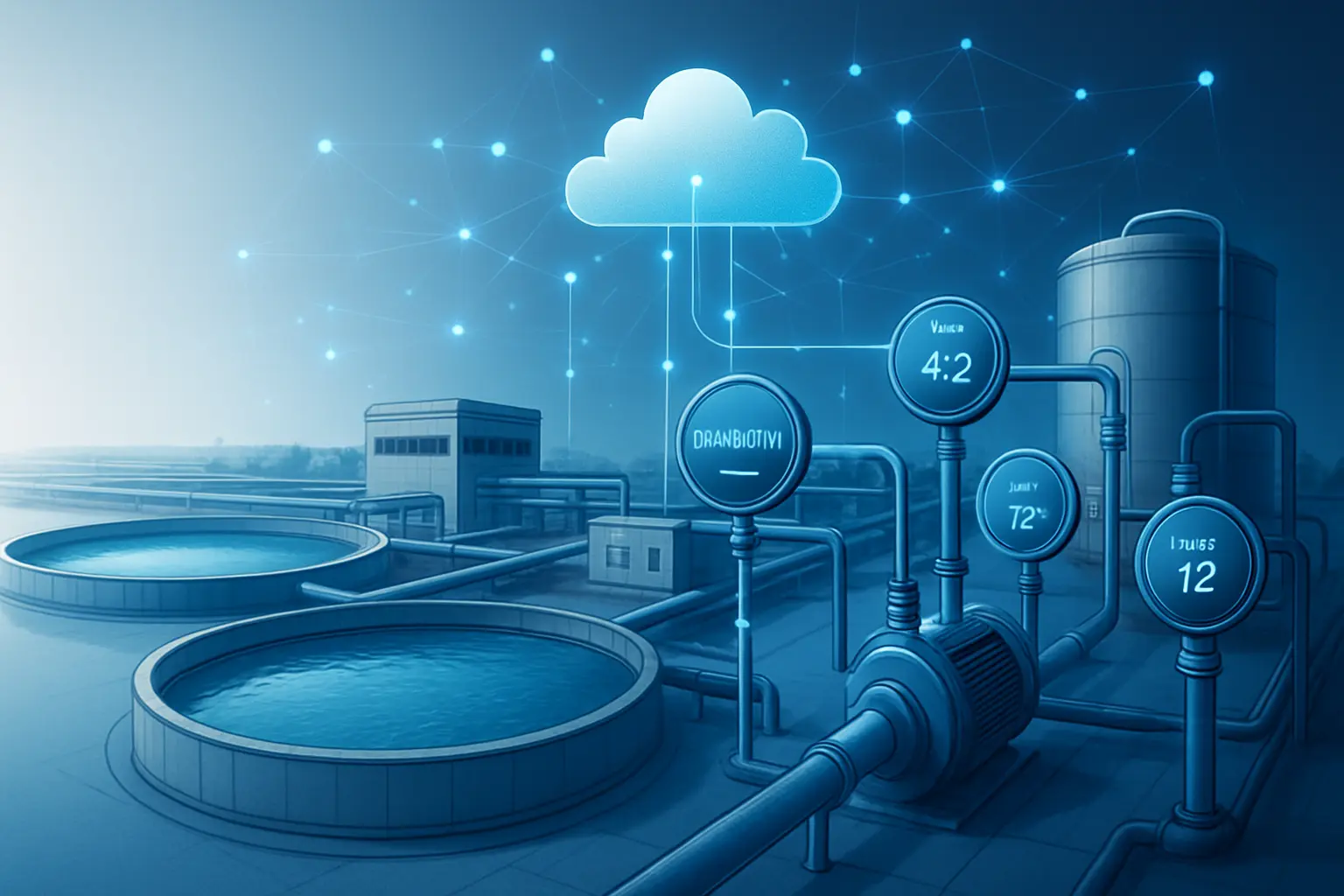
What Is a Smart Water Management System?

A Smart Water Management System is an integrated technology solution that uses IoT sensors, communication networks, cloud platforms, and analytics software to monitor and manage water infrastructure in real time.

Traditional water management relies heavily on manual inspections and periodic measurements. In contrast, smart water management enables continuous monitoring, automated alerts, historical reporting, and predictive maintenance.

The system collects data from field devices and transmits it to centralized dashboards where operators can monitor performance, identify anomalies, and take corrective action before problems escalate.

Key Objectives:

  • Reduce water wastage
  • Improve water quality
  • Detect leaks early
  • Optimize treatment processes
  • Monitor equipment performance
  • Improve operational efficiency
  • Ensure regulatory compliance
  • Enable remote monitoring and control

How a Smart Water Management System Works

Data Collection Layer

Sensors continuously collect data from water infrastructure including tanks, pipelines, pumps, treatment units, and distribution networks.

Communication Layer

Industrial communication protocols such as Modbus RS485, Ethernet, Wi-Fi securely transmit sensor data to the cloud.

Cloud Monitoring Layer

Data is stored, processed, and analyzed through cloud-based monitoring platforms that provide real-time dashboards and reporting.

Decision & Alert Layer

The system generates alerts through SMS or email whenever predefined thresholds are exceeded.