Why Temperature Monitoring Matters
In a lot of businesses, keeping the right temperature is important for comfort, performance, safety, and efficiency. Think about a server room where even a few degrees of warmth could cause downtime, or a pharmaceutical warehouse where medicines must be kept in very specific conditions. In this case, a system for keeping track of the temperature is helpful.
A temperature monitoring system has more than just a thermometer. It is a complete solution that keeps track of, logs, and reports temperature (and often humidity) data at a certain place all the time. These systems are used in a lot of places, like homes, offices, hospitals, logistics, data centers, labs, and factories.
Defining a Temperature Monitoring System
A temperature monitoring system is made up of three main parts:
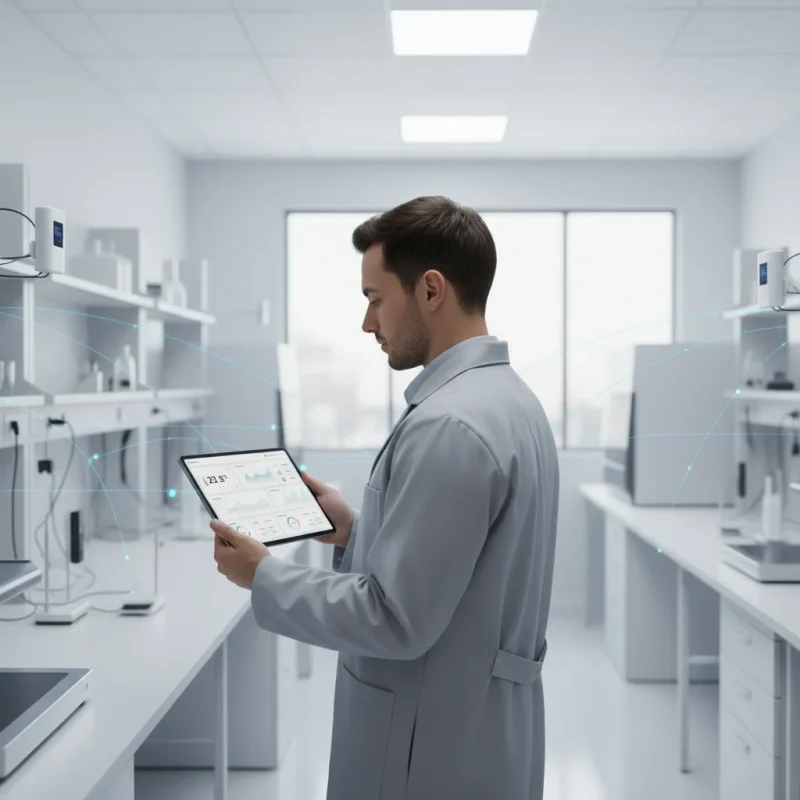
Sensors: These check the temperature in a room in real time. Today’s sensors are small, wireless, very accurate, and can send data all the time.
Communication: Sensors send data to a central platform using Wi-Fi, Bluetooth, or IoT protocols like LoRaWAN or Zigbee.
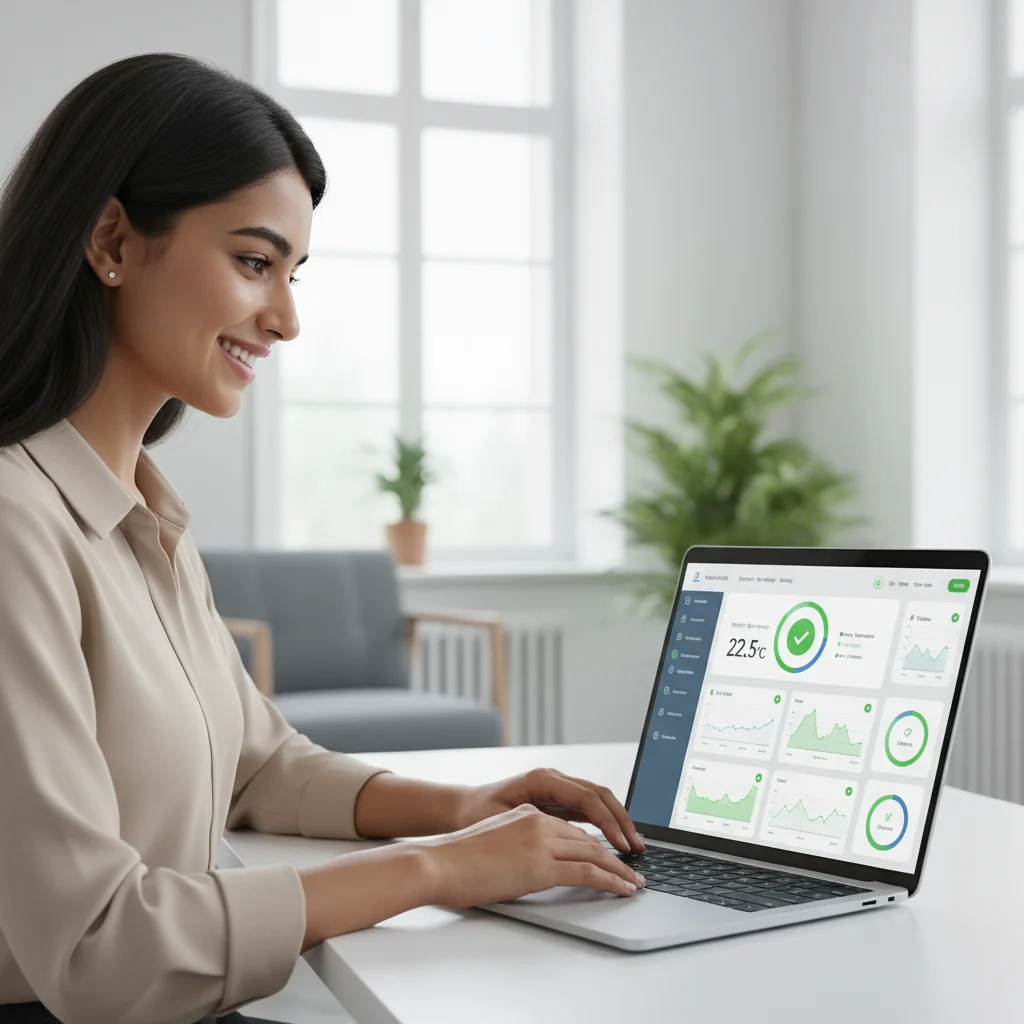
Software / Dashboard: A live monitoring dashboard collects data, makes reports on past events, and sends alerts if the temperature goes outside of pre-set limits.
This set of hardware, connectivity, and software lets stakeholders make smart choices, deal with problems right away, and stay in compliance when rules call for precise temperature control.
How Does a Temperature Monitoring System Work?
Knowing how these systems work makes it clear how useful they are:
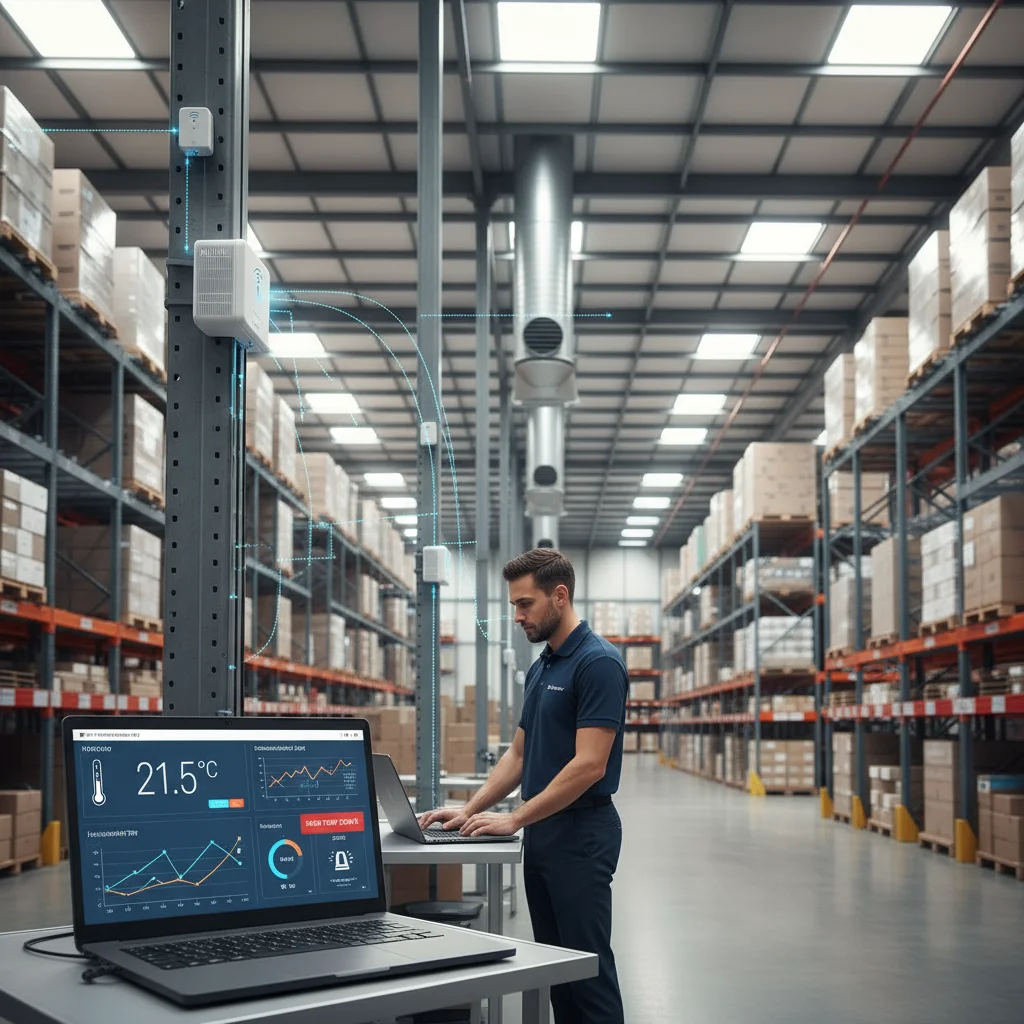
Detection: Sensors constantly check the temperature of the room or equipment.
Transmission: The data is sent right away to a central hub or cloud.
Processing: Analytics software checks conditions against set thresholds.
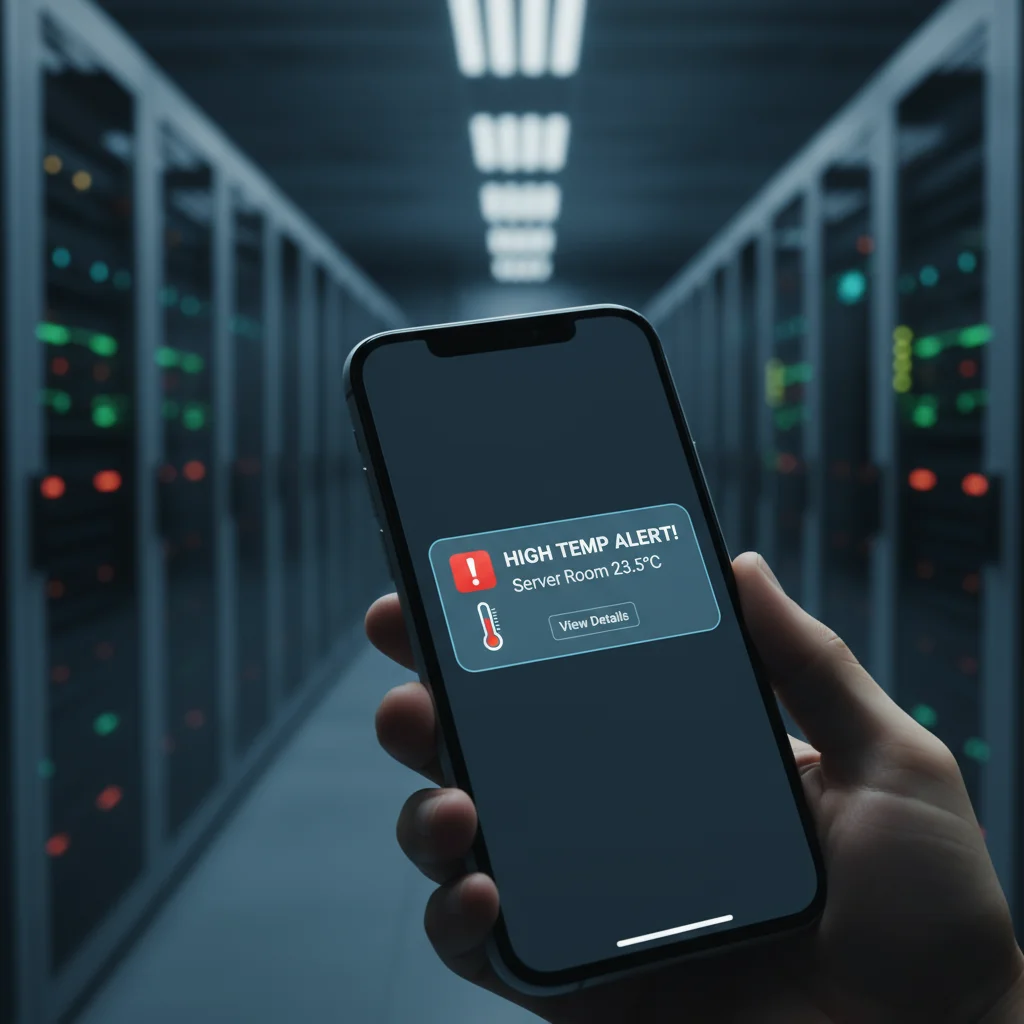
Action: If levels go above or below the target ranges, automated alerts (SMS, email notifications) are sent out.
In short, these systems don’t just passively gather data; they also stop failures by letting people respond in real time.
Why Businesses Need Temperature Monitoring Systems
Regulatory Compliance
The FDA, WHO, and ISO all have strict rules that the pharmaceutical, food, and healthcare industries must follow. Monitoring systems make sure that people always follow the rules.
Operational Efficiency
Keeping an eye on things properly cuts down on equipment breakdowns and saves money on energy. When combined with sensor feedback, HVAC systems can change in real time, for instance.
Asset Protection
Monitoring the temperature of assets means they will last longer, whether it’s keeping food from going bad in cold storage, avoiding defects in manufacturing, or keeping servers from overheating.
Peace of Mind
Automated alerts and reports give you peace of mind that your environment is always under control, even when you’re not there.
Types of Temperature Monitoring Systems
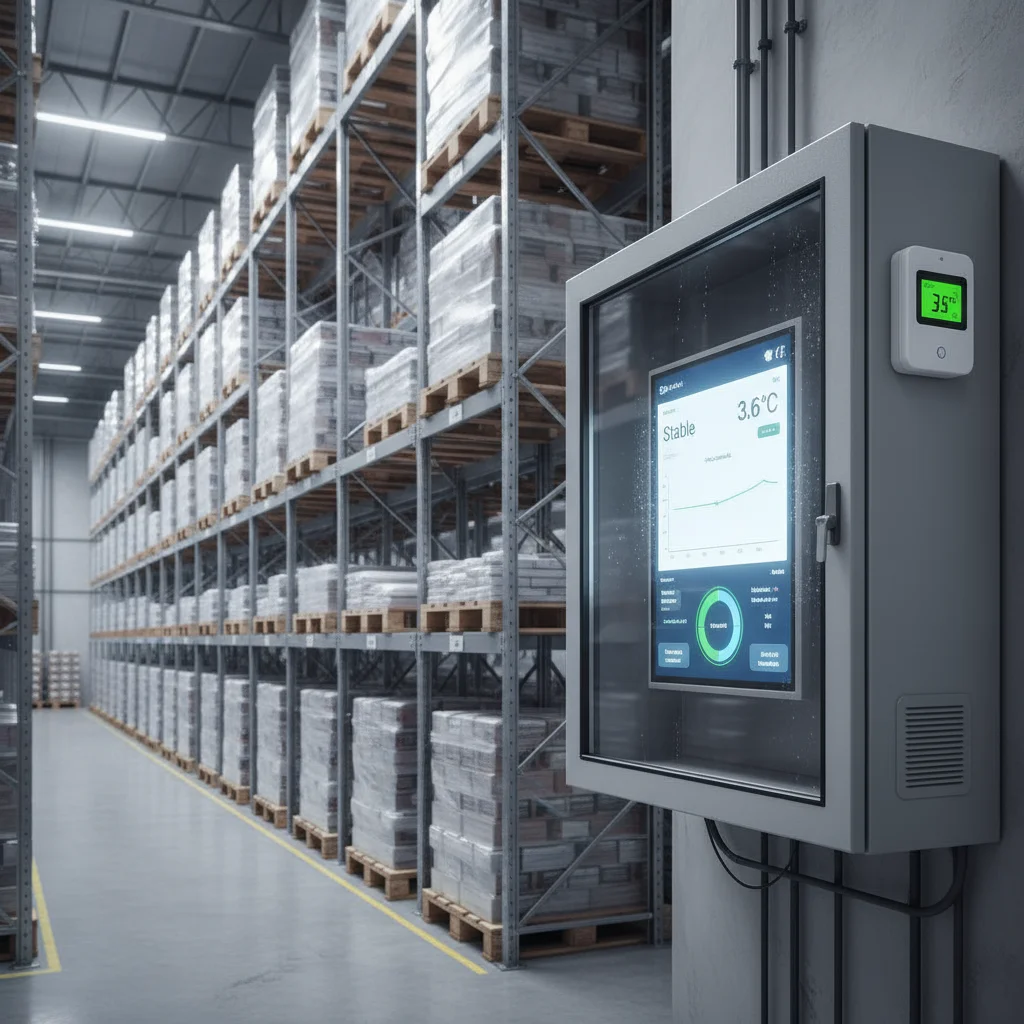
There isn’t a single answer for everyone. The kind of temperature monitoring system you choose will depend on how you plan to use it:
Manual data loggers: Easy to use and cheap, but they don’t get updates in real time.
Wireless IoT systems: Real-time updates, smart alerts, and the ability to grow to cover more than one location.
Integrated building/HVAC systems: Are made to control the temperature in offices and big buildings automatically.
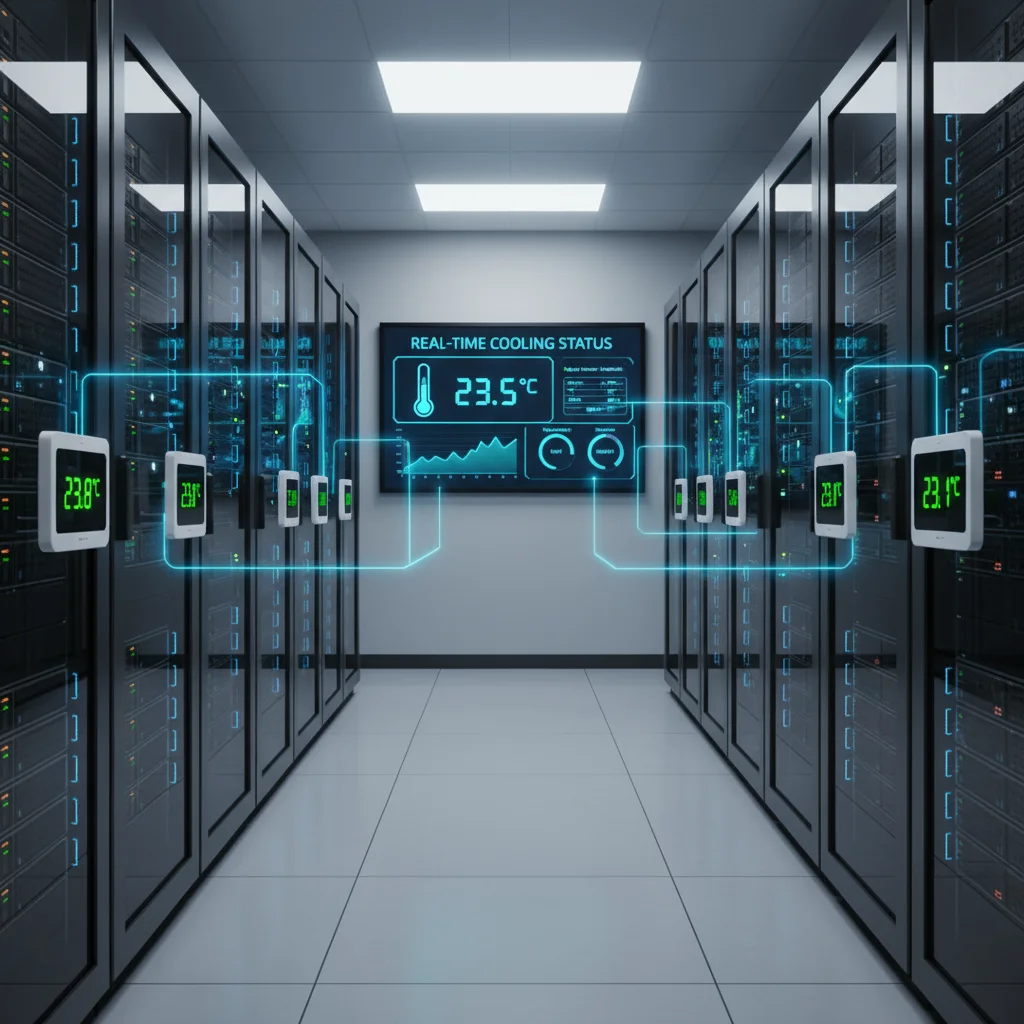
Specialized monitoring for data centers: It’s important to avoid downtime caused by overheating.
Temperature Monitoring Systems in Mission-Critical Environments
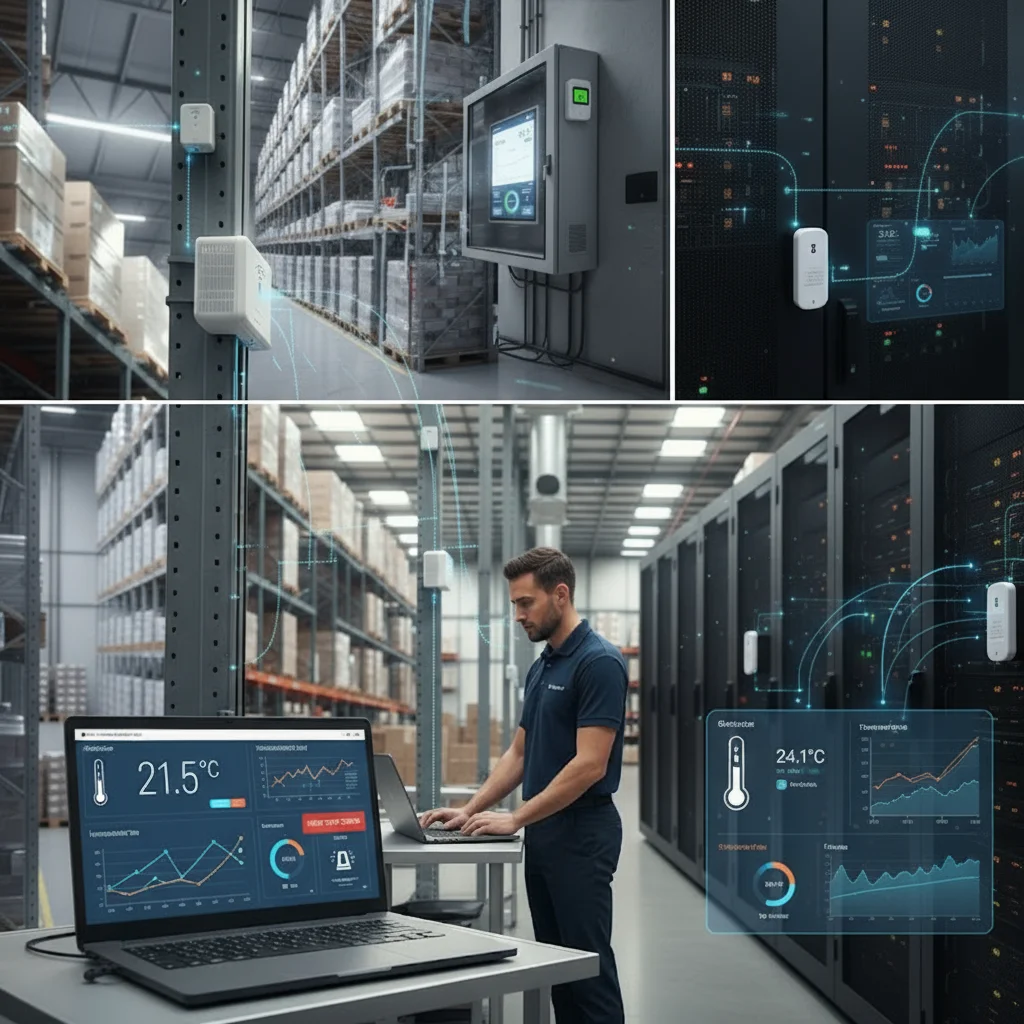
When it comes to controlling temperature, some industries have especially high stakes:
Hospitals and labs: Keep blood units, patient samples, or vaccines safe.
Food Supply Chain: Keep food from going bad while it’s being moved and stored.
Industrial Manufacturing: Make sure the quality of production stays the same.
IT and server rooms: Keep hardware from getting too hot.
In the IT world, downtime can cost thousands of dollars every minute. Keeping an eye on the server room temperature monitoring that the hardware stays safe, works well, and meets standards.
From Simple Online Checks to Full Systems
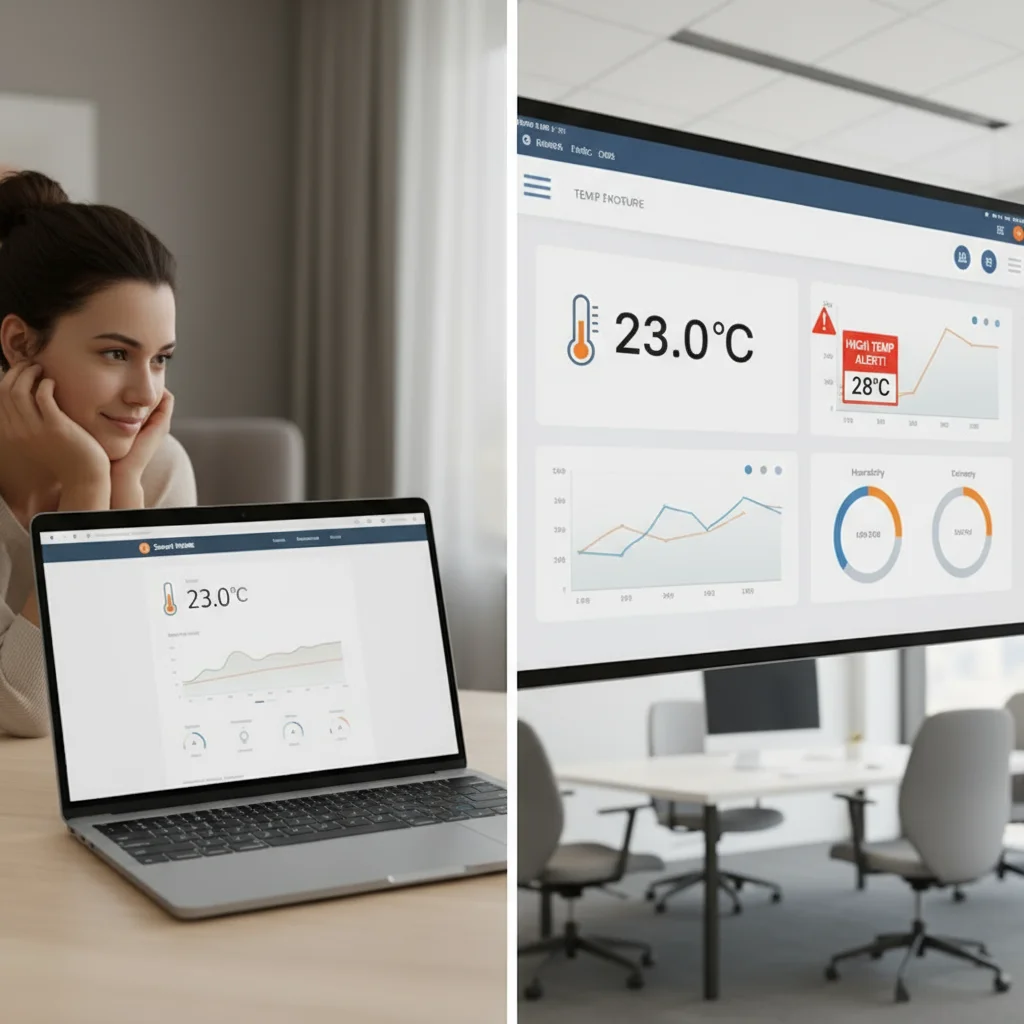
For people who don’t use them often, it can be helpful to start with quick tools that let you check temperature online. These solutions give a rough idea of what the weather is like.
But when accuracy, dependability, and following the rules are important, a strong monitoring system is a must. A temperature monitoring system makes sure that data is accurate, continuous, and sends alerts before problems happen. This is different from standalone apps.
The Value of a Temperature Monitoring System
A temperature monitoring system is no longer a choice; it’s a must-have in today’s world, where both homes and businesses depend on environments that are sensitive to climate.
These systems protect assets, keep people safe, and save money, from basic alerts in your living room to enterprise-level setups in data centers. Companies that use strong monitoring not only get more done, but they also feel better about it.
It’s time to move beyond basic checks and into integrated monitoring solutions if accurate readings are important for your environment’s uptime, compliance, or performance.